
15+
Years of experience
in Data Security and Managed Services
✓ DPA Compliance Experts
✓ OIC Registered Advisors
✓ Caribbean-Focused Solutions
✓ 30-Day Satisfaction Guarantee
✓ 72 Hours DPA Breach Reporting
The Compliance Reality
Data protection is no longer optional in the Caribbean. From Kingston to Bridgetown, regulators are shifting from awareness to enforcement.
The Risk
Under the JDPA, fines can reach 4% of your annual gross worldwide turnover or $5 Million JMD, whichever is higher. Beyond fines, a single breach can permanently destroy your reputation in the local market.
Penalty: Up to 4% Turnover
The Law
All Data Controllers—including Sole Traders—must register with the OIC. Registration starts at $7,500 JMD but requires a comprehensive record of processing activities to be valid.
Mandatory for all Controllers
The Deadline
The grace period is over. The Office of the Information Commissioner (OIC) has begun active enforcement. Being “in the process” is no longer a valid defense against investigation or consumer complaints.
Status: Active Enforcement
Data Sovereignty
Caribbean businesses often host data in the US or Canada. Moving personal data out of the region requires strict legal safeguards under regional standards. We ensure your cloud providers meet local sovereignty requirements.
Standard 8: International Transfers
The Digital Passport
For Caribbean SMEs looking to export services to the EU or North America, regional compliance is your “digital passport.” International partners now require proof of JDPA or GDPR-equivalent standing before signing contracts.
Global Market Access
Managed Protection
Our Fractional DPO and CISO services are designed for the unique constraints of Caribbean SMEs. We provide executive security leadership and regional regulatory representation at a price point that fits your budget.
Tailored SME Solutions
We Align Your Business with Caribbean Standards
While acts vary slightly by country, we align your business with the core 8 Standards accepted across the region.
Fairness & Lawfulness
Data must be collected and processed with a valid legal basis and transparency about its use.
Purpose Limitation
Data should only be used for the specific, lawful purposes for which it was collected.
Data Minimization
Only the minimum necessary data should be collected for the intended purpose.
Accuracy
Data must be accurate and kept up to date; inaccuracies should be corrected or erased promptly.
Storage Limitation
Personal data should not be retained longer than necessary for its purpose, unless required by law.
Rights of Data Subjects
Individuals have rights over their data, including access, correction, deletion, and objection to certain uses.
Security Measures
Appropriate technical and organizational safeguards must be implemented to protect data from unauthorized access or loss.
International Transfers
Data should only be transferred internationally if the receiving country ensures adequate data protection standards.
Market Analysis
As digital connectivity grows, businesses face significant data security threats. Many organizations, including SMEs and some larger companies, often lack the expertise, resources, or strategies needed to manage these risks. This leads to:
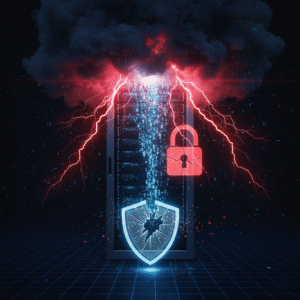
Increased Risk of Data Breaches
Resulting in significant financial losses, reputational damage, and legal liabilities.

Non-Compliance Penalties
Failure to adhere to data protection regulations (e.g., the Jamaica Data Protection Act, GDPR, local privacy laws) can lead to hefty fines and legal action.

Operational Disruptions
Security incidents can disrupt business continuity, leading to lost productivity and customer dissatisfaction.
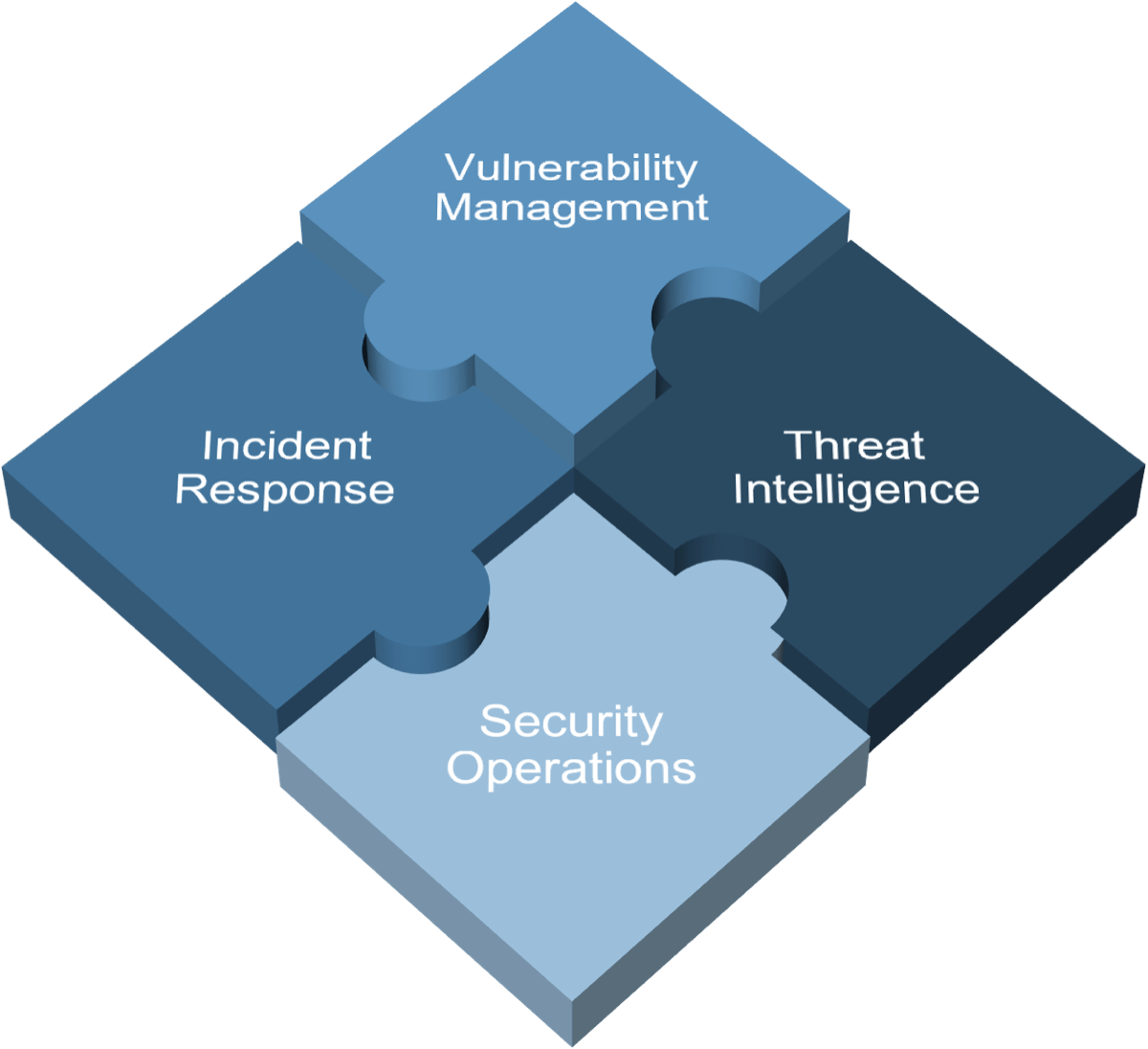
Lack of Strategic Security Planning
Many organizations react to threats rather than proactively building robust security frameworks.

Complexity of Cloud Security
The shift to cloud computing introduces new security challenges that many businesses are ill-equipped to handle.